By Lío González of Msaldia.com
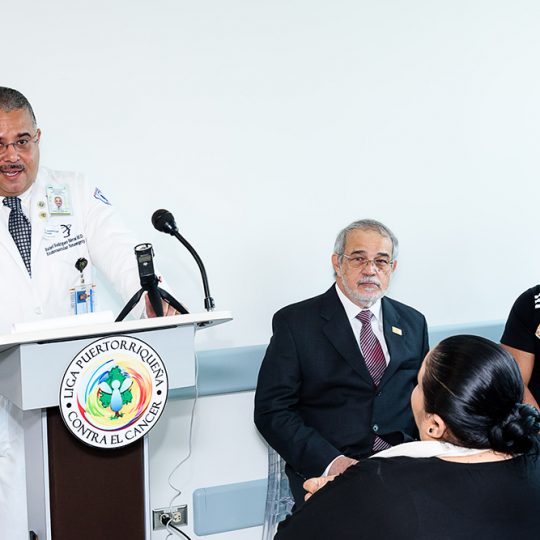
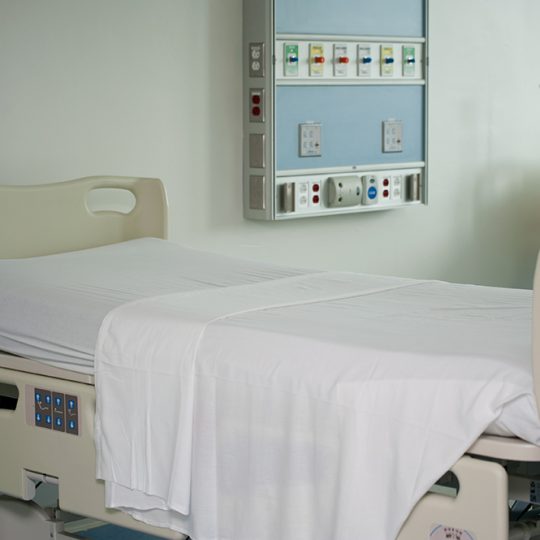
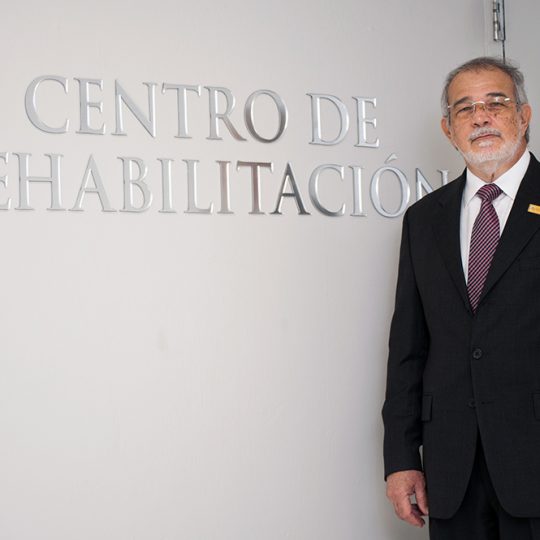
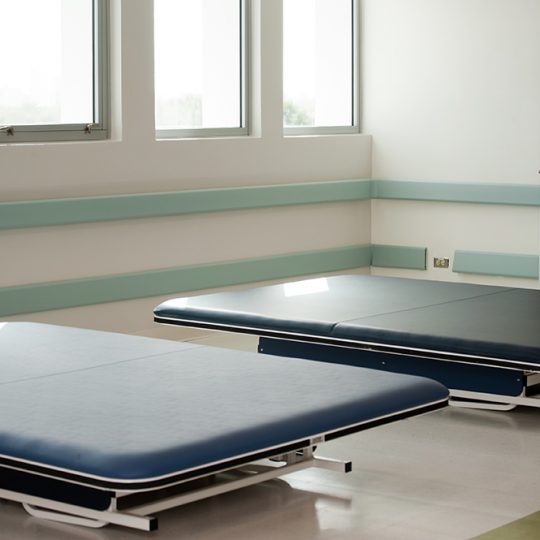
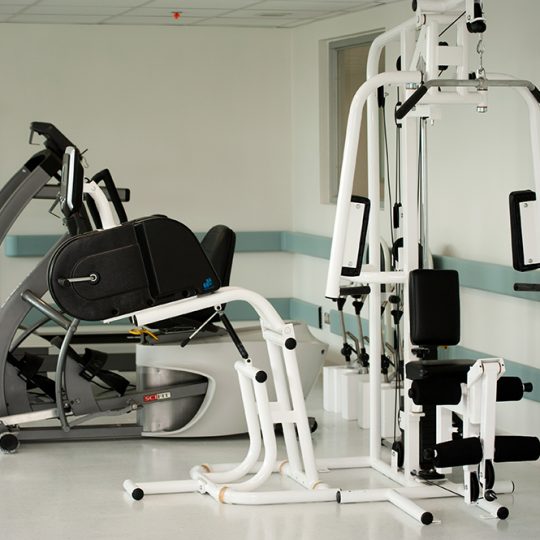
The Puerto Rican League Against Cancer and its Oncology Hospital, Dr. Isaac Gonzalez Martinez, inaugurates its Rehabilitation Center for Cancer Patients. The centre has 18 beds in private and semi-private rooms, room for bariatric patients, physical and vocational rehabilitation area, kitchen, office, gymnasium, interactive therapy area and cubicles for lymphedema patients.
The centre has a team of professionals such as Physiatrists, Oncologists, Physical Therapists and Assistants, Occupational Therapists and Assistants, Speech Pathologists, Recreational Therapists, Patient Navigators, Certified Lymphedema Therapists, Rehabilitation Technicians, Dietitians, Psychologists / Psychiatrists, Rehabilitation Nurses, Social Workers, Case Managers and Vocational Counsellors.
Patients receiving cancer treatment may notice a difference in their physical, social, psychological and work-related abilities. Rehabilitation helps the patient to regain and improve skills that may have changed after cancer treatment. The goal is to help the person remain as independent and productive as possible.
"A team of professionals will provide medical care and work together to provide comprehensive rehabilitation from the effects of cancer. The team will help the patient to adapt to his or her situation, both in cases where the changes are temporary, as well as those that are permanent. Quote: President of the Puerto Rican League Against Cancer Ramón González Castaing.
Among the services offered by the rehabilitation centre are the following:
- Patient and family education and counselling.
- Pain management.
- Nutritional advice.
- Implement programmes to strengthen and improve the way people move around.
- Smoking cessation support.
- Help with activities of daily living, such as eating, drinking, dressing, bathing, toileting, cooking and basic chores.
- To assist in the reintegration into work and society.
Objectives:
- Improving physical strength to help compensate for limitations caused by cancer and cancer treatment.
- Increasing a person's capacity for self-sufficiency.
- Provide support in coping with real, perceived and potential losses due to cancer and cancer treatment.
- Help with the management of cancer symptoms and their treatment, including fatigue, sleep problems, pain, among others.
- Help reduce the frequency with which a person needs to stay in hospital.