Rehabilitation Center Services
At our Rehabilitation Center, we offer comprehensive and specialized services aimed at promoting functional recovery, independence, and quality of life for our patients. We have a highly trained interdisciplinary team that provides care in Physical Therapy, Occupational Therapy, Speech and Language Therapy, Physiatry, and Cancer Rehabilitation, tailoring each intervention to the individual needs of the person.
Our services are offered both during the patient's stay in the Inpatient Rehabilitation Unit (IRF) and on an outpatient basis, ensuring continuity of care and support throughout the rehabilitation process. Through comprehensive assessments and personalized treatment plans, we work together with the patient and their family to facilitate a safe, effective recovery aimed at achieving the greatest possible functionality.
Physical Therapy
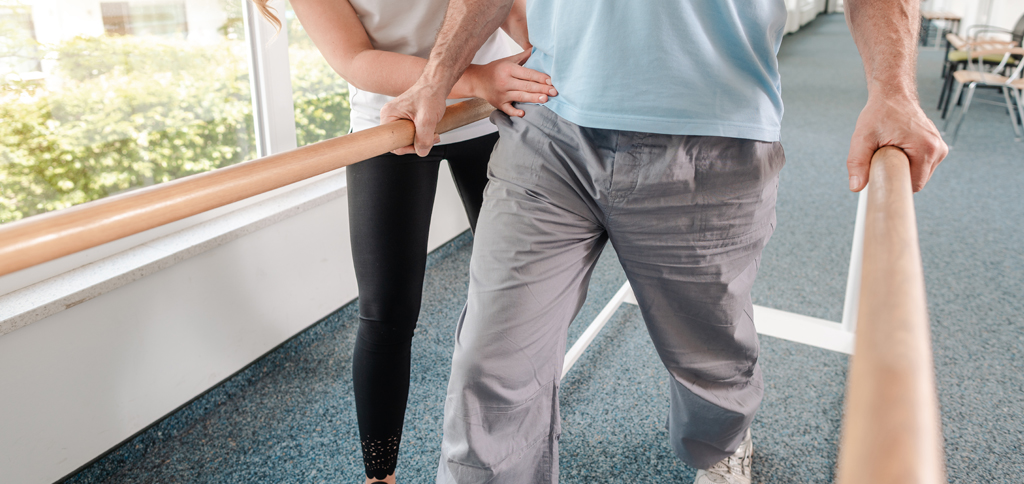
The goal in Physical Therapy is to improve the patient's physical condition and independence. Comprehensive rehabilitation, in which the physical therapist actively participates, seeks to develop to the maximum the skills and abilities of people with physical disabilities and the interrelation of the individual with the family and their environment. During therapeutic interventions our team of therapists helps patients to increase their physical function, mobility, strength, balance and safety. In this way we offer opportunities that allow patients to develop their potential and integrate these skills into their daily lives.
During treatment, a variety of modalities are integrated according to the patient's needs. Some of them are:
- Thermotherapy (heat and cold)
- Cervical traction
- Electrical stimulation
- Manual therapy and massage
- Neuromuscular re-education
- Exercises and therapeutic activities
- Transfer training
- Ambulation training
- Wheelchair mobility
- Prosthetic and orthotic training
- Patient and family education.
Occupational Therapy

The main objective of Occupational Therapy is to enable people to participate in the activities of daily living. Through the use of purposeful activities, it seeks to achieve the maximum functionality, autonomy and quality of life possible in those people who present and/or are at risk of suffering any limitation or degree of dependence during the performance of their activities of daily living, work, leisure and/or social participation.
The Occupational Therapist provides methods and tools to increase function, comfort and safety. The therapist's role is to achieve this outcome by training the patient in these tasks, or by modifying the patient's environment so that it reinforces participation.
Occupational therapists work with and train the patient in the development of skills such as:
- Activities of daily living: food, clothing, grooming and hygiene, etc.
- Chair, bed, and toilet transfers
- Functional strength and coordination exercises
- Training in assistive equipment
- Functional Adaptation/Re-adaptation
- Cognitive stimulation and re-education
- Assessment, design and training of orthoses and support products
- Training in the use of prostheses, mostly upper extremity.
- Home and Workplace Adaptation
- Job orientation/orientation
- Preparing for return to work or meaningful activities
- Leisure and free time advice
- Adaptation of activities
Speech Therapy
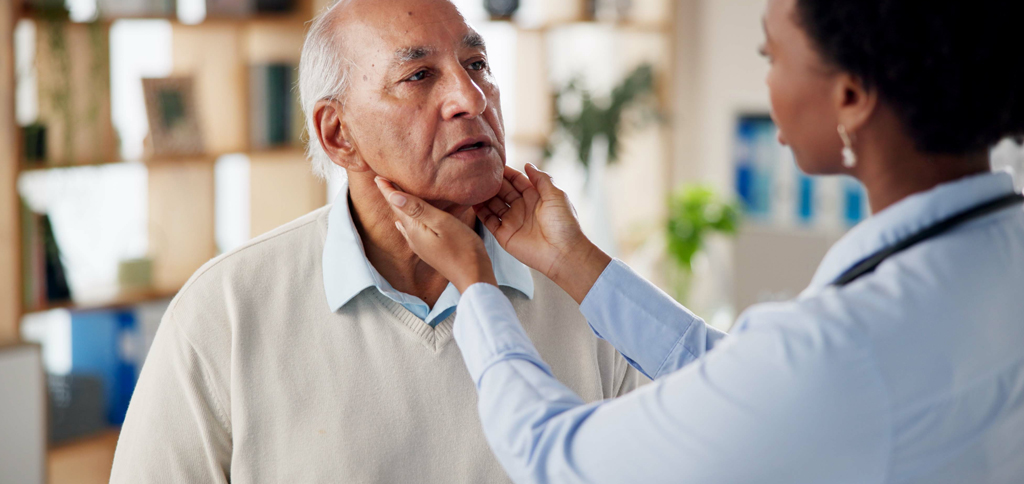
Speech-Language Pathologists work with a wide range of speech, language, swallowing and voice disorders and problems involving an individual's communication. The overall goal of speech-language pathology services is to optimize people's ability to communicate and feed themselves, thereby improving quality of life. They provide services in the following areas:
- Cognitive aspects of communication: attention, memory, problem solving, executive functions.
- Speech production: phonation and articulation (production of specific speech sounds), speech resonance, fluency (rate of speech), and voice (loudness, quality, pitch, breathing pattern).
- Language (comprehension and expression): phonology, morphology, syntax, semantics, pragmatics (language use, social aspects of communication), literacy (reading, writing, spelling), pre-linguistic communication, paralinguistic communication
- Feeding and swallowing: oral, pharynx, larynx, esophagus, oral motor functions.
Physiatry

A Physiatrist is a specialist who treats a wide variety of medical conditions affecting areas and systems of the body such as: the brain, spinal cord, nerves, bones, joints, ligaments, muscles and tendons. Our team of physiatrists evaluate, diagnose, and offer treatment focused on the individual needs of our patients.
Some of its functions are:
- Design and focus the treatment on functional aspects
- Diagnose and treat pain as a result of injury, disease or other conditions
- Prevention plan is being developed
Cancer Rehabilitation
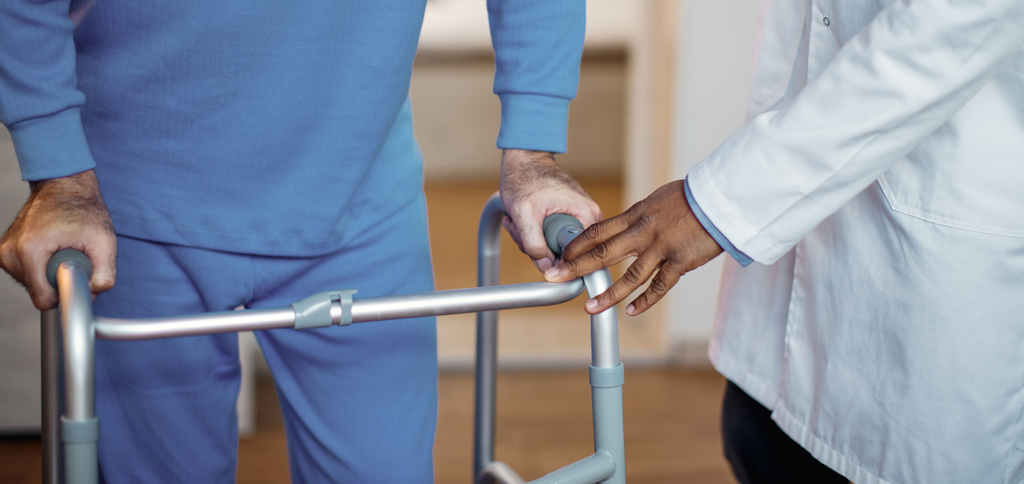
Cancer and its treatments often cause physical, cognitive and mobility problems. These problems can cause difficulty in performing activities of daily living, reintegrating into work, or continuing cancer treatment. Rehabilitation plays a very important role since it is the process that facilitates the patient's recovery, offering the person the opportunity to regain independence and productivity in the activities of daily living to the best of his or her abilities. Through this process, the side effects of cancer and its treatments are reduced, which allows the patient to have a better quality of life.
It is of utmost importance that patients consult their physician as soon as they identify physical or mobility changes so that they can be referred to specialists.
Some of the most frequent dysfunctions could be:
- Pain
- Loss of flexibility, balance, range of motion
- Neuropathies (adverse neural stress)
- Lymphedema and Deep Vein Thrombosis
- Psychological Problems
- Skin changes
- Fatigue
- Swallowing or chewing problems
- Memory problems
© 2026 Puerto Rican League Against Cancer. Designed by Wigo Technologies.
Privacy Policy |Accreditations | Price Transparency